
D`REAL
How Spoof! Started
Our service began from the following theoretical background.
IRT Meets XR
Image Rehearsal Therapy (IRT), the most commonly used treatment for nightmare disorder, requires patients’ engagement and imagination to repeatedly imagine and learn scenarios. In practice, 30% of nightmare disorder patients do not benefit from treatment. We started Spoof!—a XR-based nightmare disorder treatment support service that augments IRT—to address this gap.
Prevalence of nightmares increases through childhood into adolescence. From 1.3% to 3.9% of parents report that their preschool children have nightmares "often" or "always". Prevalence increases from ages 10 to 13 for both males and females but continues to increase to ages 20–29 for females (while decreasing for males), when it can be twice as high for females as for males. Prevalence decreases steadily with age for both sexes, but the gender difference remains. Among adults, prevalence of nightmares at least monthly is 6%, whereas prevalence for frequent nightmares is 1%–2%.
— diagnostic and statistical manual of mental disorders fifth edition dsm-5
Nightmares are widespread across age and gender. Spoof! set out with a clear direction: XR-based IRT support for those whose quality of life is affected by frequent nightmares.
Previous Research
The following studies demonstrate that assisting imagination through "immersion" could be a highly effective approach.
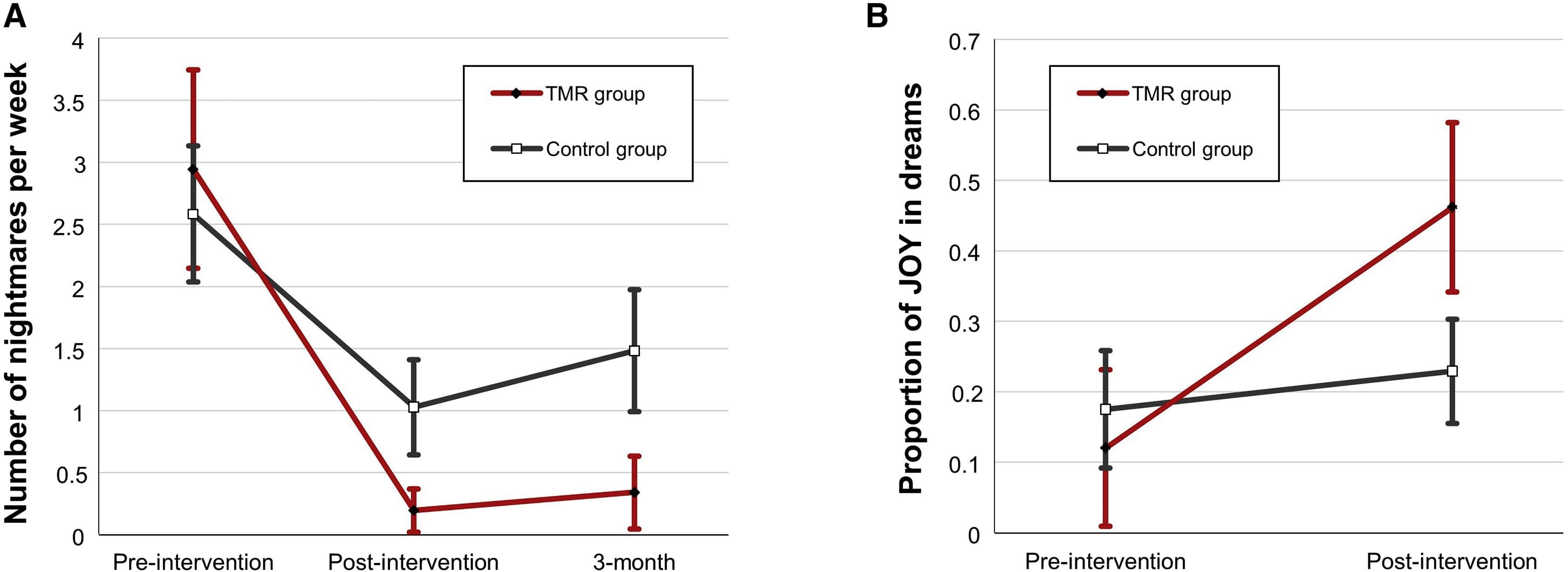
Targeted Memory Reactivation (TMR)
Research on integrating sound with IRT (utilizing Targeted Memory Reactivation theory).
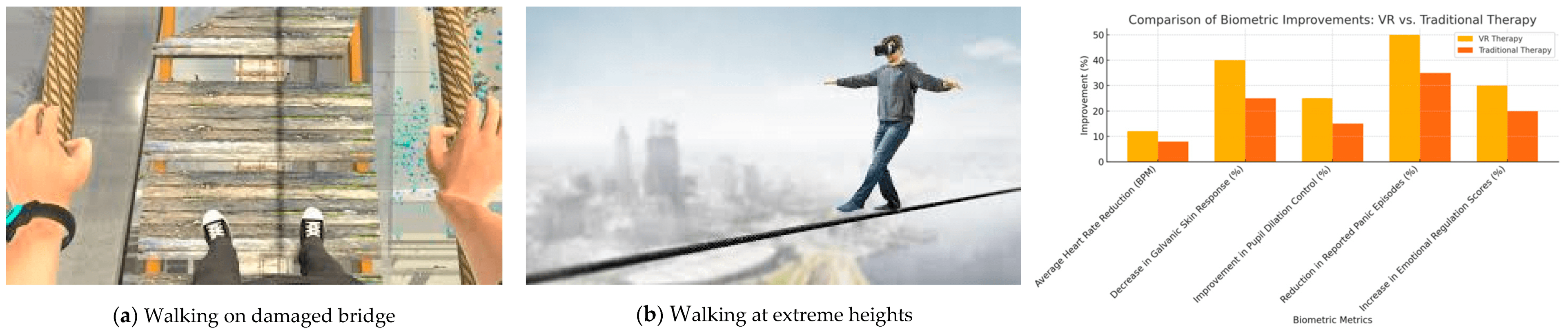
Virtual Reality Exposure Therapy (VRET)
Research on the impact of VR on phobia treatment and emotional resilience.
Academic References
Leong, Wai Yie. 2025. "Virtual Reality in Phobia Treatment and Emotional Resilience" Engineering Proceedings 108, no. 1: 16.
View Publication →Schwartz, S., Clerget, A., & Perogamvros, L. (2022). Enhancing imagery rehearsal therapy for nightmares with targeted memory reactivation. Current Biology, 32(22), 4808-4816.E4.
View Publication →